Mini Sensory Lab at Home: 25 Screen-Free Activities to Boost Creativity and Independence (Ages 3–5)
Many parents and teachers agree on one thing: young children have endless energy and natural curiosity, and we don’t always know how to channel it without turning to a screen. When it’s raining, when time feels tight, or when we simply want a meaningful learning experience, the question comes up: what do we do now?
At ColoreaMundo, we believe that learning without screens does not mean improvising. It means designing experiences. That’s why we invite you to create a mini sensory lab at home or in the classroom—a simple but intentional space where children ages 3 to 5 can explore, experiment, and create with their hands.
Screen-free sensory activities for children ages 3 to 5 do more than entertain. They strengthen cognitive development, language, fine motor skills, and independence.
In This Guide, You Will Learn
- Why sensory play is essential in early childhood development.
- How to set up a mini sensory lab using everyday materials.
- 25 practical activities organized by type of sensory input.
- How to adapt activities based on age and maturity level.
- How to integrate these experiences into your weekly routine without stress.
Why a Sensory Lab Instead of Just “Free Play”?
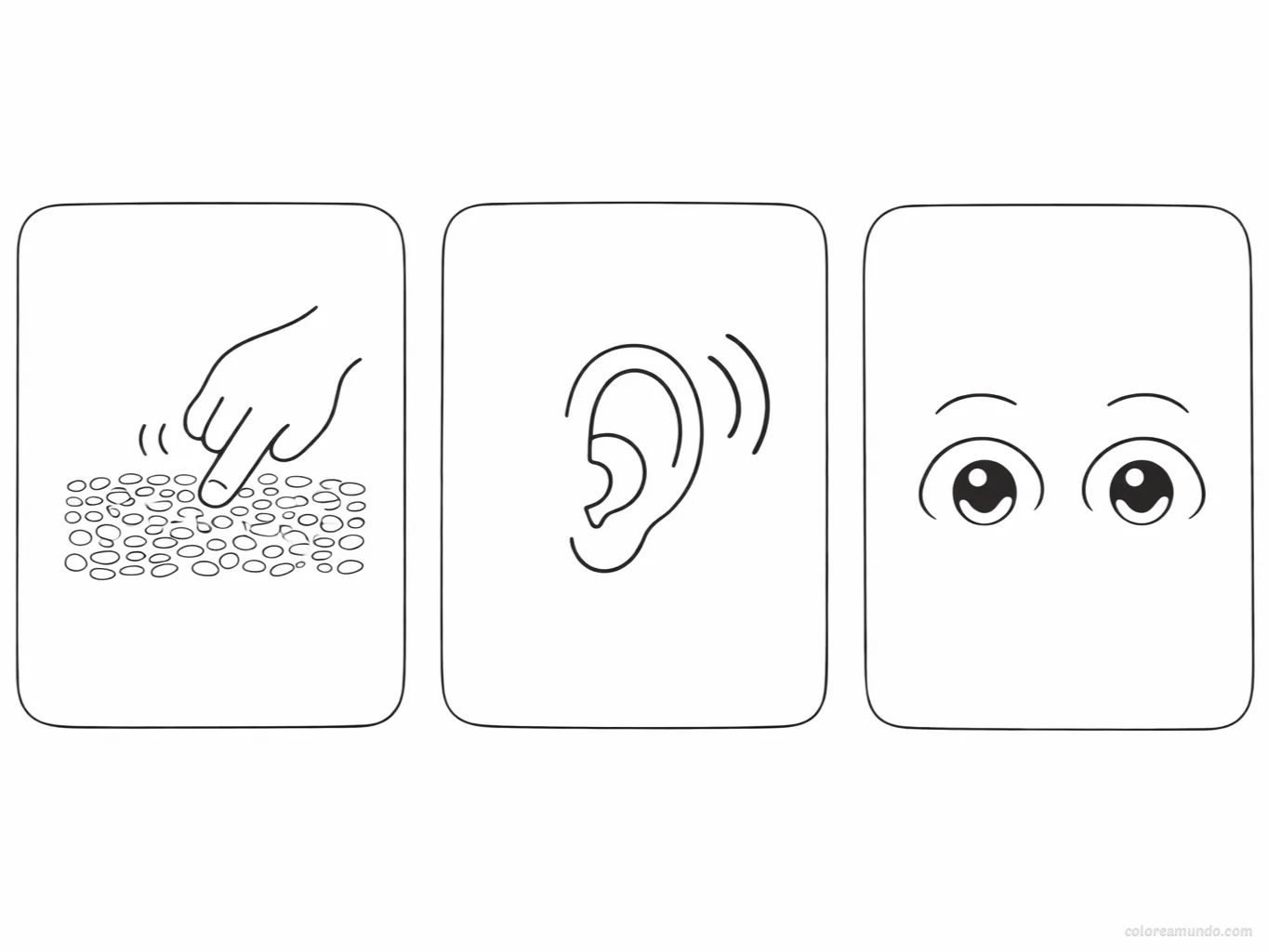
Between ages 3 and 5, the brain learns through the senses. Touching, smelling, listening, mixing, observing changes—all of this builds neural connections.
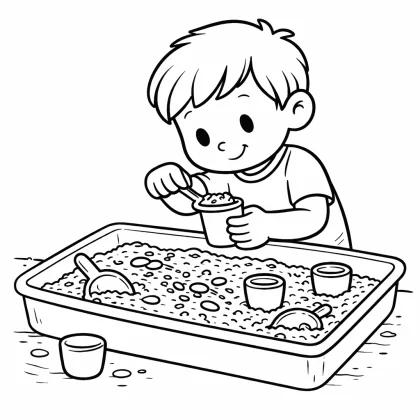
A sensory lab is not a special piece of furniture or an expensive kit. It is a structured proposal within free play. The adult prepares the environment, and the child explores independently.
Real example at home:
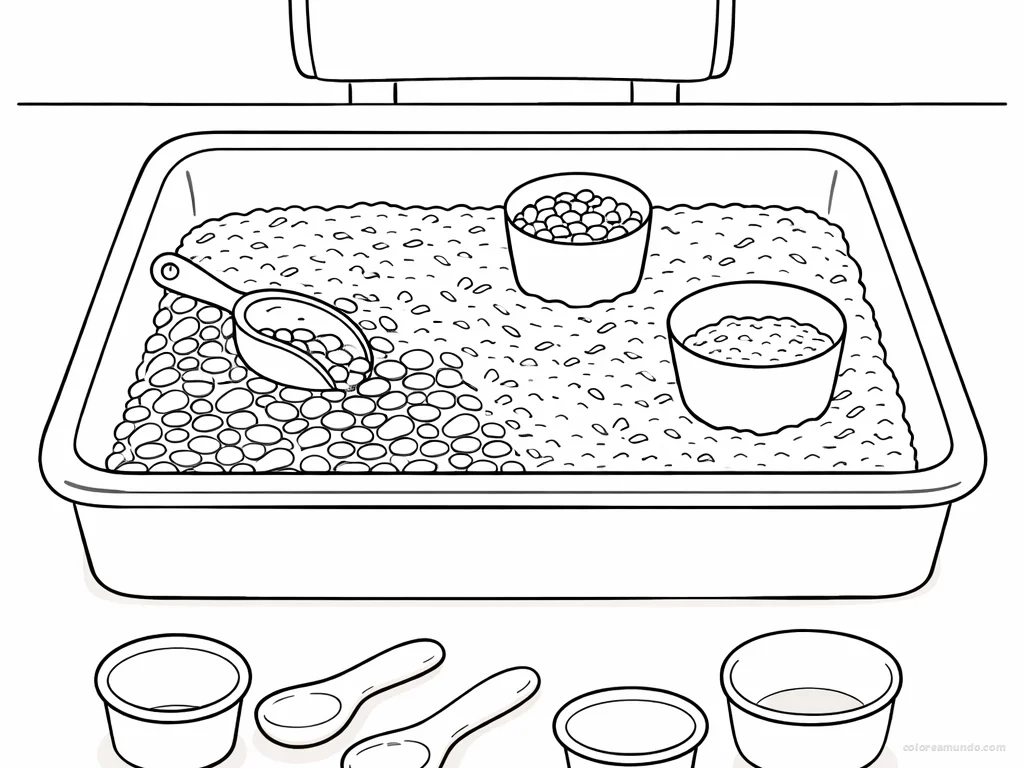
- A tray filled with rice.
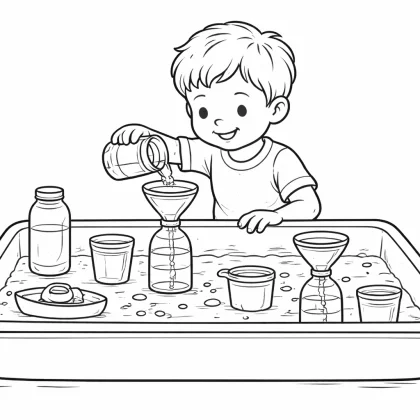
- Spoons, funnels, and small containers.
- Toy animals or small objects hidden inside.
The child investigates, transfers, buries, and searches. The adult supports with open-ended questions: “What happens if you pour it more slowly?” “Does it sound different?”
That is screen-free learning in action.
1. Tactile Sensory Activities (Textures and Manipulation)
Touch is the star sense at this age. These activities develop coordination, precision, and concentration.
7 Practical Ideas:
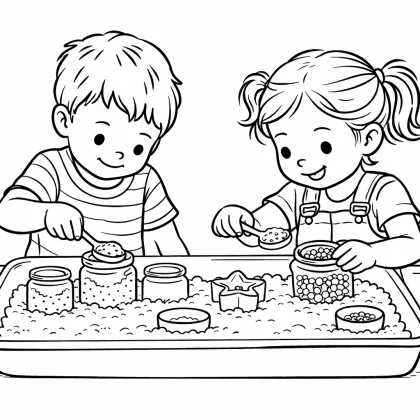
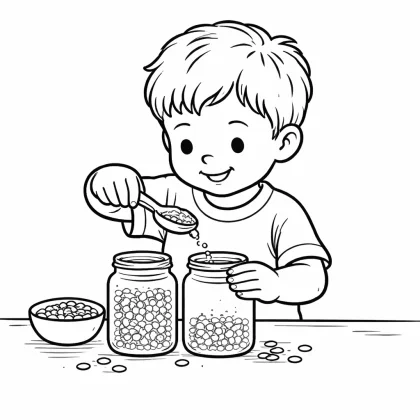
- Rice or lentil bin with hidden objects.
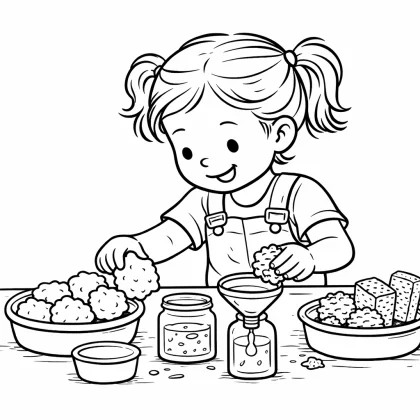
- Homemade playdough with kitchen tools.
- Shaving cream on a tray for finger drawing.
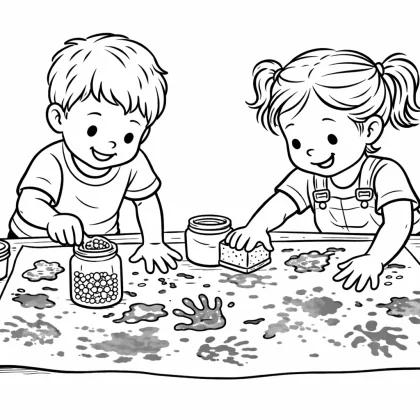
- Painting with natural sponges.
- Sealed sensory bags with gel and glitter.
- Texture paths (cardboard, fabric, bubble wrap).
- Sorting stones, leaves, and seeds.
In the classroom, these can become rotating centers. At home, a protected table and 30 uninterrupted minutes are enough.
2. Visual and Observation Activities
It’s not just about seeing, but about noticing changes, patterns, and contrasts.
6 Engaging Proposals:
- Color mixing with droppers.
- Sensory bottles with water and food coloring.
- Shadow play with a flashlight.
- Sorting objects by size or shape.
- Ice tray exploration with added color.
- “Detail detectives”: observe a scene and describe changes.
These experiences prepare pre-reading skills such as visual discrimination.
3. Auditory and Rhythm Activities
The auditory sense strengthens language and memory.
6 Screen-Free Experiences:
- Sound jars with different fillings.
- Clap-back rhythm patterns.
- Walking while following a beat.
- Guess the sound with eyes closed.
- Create instruments from recycled materials.
- Storytelling with homemade sound effects.
At ColoreaMundo, we recommend integrating these into daily routines—before nap time or as transitions between activities.
4. Simple Scientific Exploration Activities
Scientific curiosity begins here.
6 Safe Mini Experiments:
- Mixing water and oil.
- Sprouting seeds in cotton.
- Exploring magnets with metal objects.
- Baking soda volcano experiment.
- Observing insects in the yard with a magnifying glass.
- Float or sink: testing which objects stay on top.
We are not looking for perfect results. We are looking for questions.
Age-Based Recommendations
Although this guide focuses on ages 3–5, each stage has its nuances.
Ages 3–5
- Short activities (15–30 minutes).
- Lots of hands-on exploration.
- Simple, concrete questions.
Explore our Ages 3–5 pathway for more adapted ideas.
Ages 6–8
- Introduce simple written observations.
- Make basic predictions before experiments.
- Add cooperative challenges.
Check the Ages 6–8 pathway to increase the level of challenge.
Ages 9–12
- Experiment journals.
- Comparing results.
- Connecting with basic science concepts.
Discover the Ages 9–12 pathway to deepen autonomy and critical thinking.
Action Plan for This Week
You don’t need to do all 25 activities at once. Start like this:
- Choose one day to set up your sensory corner.
- Prepare three simple materials.
- Define one guiding question.
- Observe without over-intervening.
- Close with a brief conversation about the experience.
Download our related educational worksheets to record observations and progress.
Mini FAQ
How long should a sensory activity last?
Between 15 and 30 minutes is enough at this age. Quality matters more than duration.
Do I need special materials?
No. Most activities use everyday items: rice, water, bottles, spoons.
What if my child loses interest quickly?
Reduce complexity or change the sensory input. Sometimes simply switching materials is enough.
Do these activities replace formal education?
No. They complement it. They build the foundation for later academic learning.
At ColoreaMundo, we believe child development does not require screens to be stimulating. It requires intention, presence, and thoughtfully designed experiences.
We invite you to explore our age-based pathways, review our parent guides, and apply at least one concrete activity this week. Start small. Observe big.
Your sensory lab can begin today, at your table, with what you already have at home.