Independence in Children Ages 3 to 5 Without Screens: A Practical Guide to Raising Capable Children at Home and in the Classroom
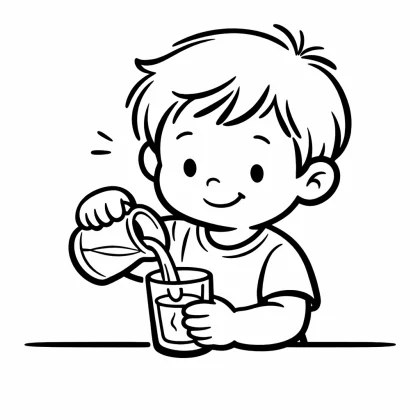
A four-year-old trying to pour their own water may seem like a small moment. But in that gesture, something powerful is happening: identity, confidence, and character development.
Independence does not appear on its own. It is trained. And between ages 3 and 5, every everyday experience becomes a real opportunity to build it.
At ColoreaMundo, we understand independence as a practical competence—not a motivational phrase. And it is built without screens.
In This Guide, You Will Learn
- What real independence means between ages 3–5.
- Why screens interfere with its development.
- How to structure practical activities that strengthen confidence and responsibility.
- Common mistakes that weaken early independence.
- A plan you can apply starting this week.
Why Independence Shapes Early Childhood Development
Between ages 3 and 5, children go through a stage of personal assertion. They begin to say, “I can do it myself.” This is not stubbornness. It is development.
During this phase, children consolidate:
- Fine motor coordination.
- Functional language.
- Early emotional regulation.
- Self-image.
When adults intervene excessively—due to rushing or fear of mess—the message the child receives is clear: you can’t.
When adults structure the environment so the child can participate, the message changes: I trust you.
Independence is not leaving a child alone. It is designing the environment so they can succeed.
Pedagogical Framework: The ColoreaMundo Approach
Our approach is based on three principles:
1. Active Participation
Children learn by doing, not by watching.
2. Prepared Environment
Independence does not emerge in chaotic or inaccessible spaces.
3. Progressive Rhythm
It is not about demanding full independence, but about increasing responsibility step by step.
Screens reduce active participation. They replace experience with passive observation. That is why deep independence requires real-life experiences.
In-Depth Development
What Does Real Independence Mean Between Ages 3 and 5?
It does not mean dressing perfectly. It does not mean cleaning up without protest. It does not mean behaving like an adult.
Real independence at this age means:
- Trying before asking for help.
- Participating in simple home or classroom tasks.
- Making small decisions.
- Accepting simple consequences.
A real classroom example:
A four-year-old girl always asked for help putting materials away. She was assigned the role of “paintbrush helper” for one week. By the third day, she organized them without reminders. Her ability didn’t change. The expectation did.
Screen-Free Activities That Build Independence
1. Morning Self-Care Station
Place within reach:
- Toothbrush.
- Hairbrush or comb.
- Small towel.
Routine:
- The child completes the full attempt.
- The adult observes without intervening.
- Help only if the challenge exceeds their ability.
Benefit: Builds physical competence and self-confidence.
2. Mini Kitchen Helper
Age-appropriate tasks:
- Washing fruit.
- Mixing ingredients.
- Placing napkins on the table.
Something important happens here: the child understands they are useful.
Feeling useful strengthens identity.
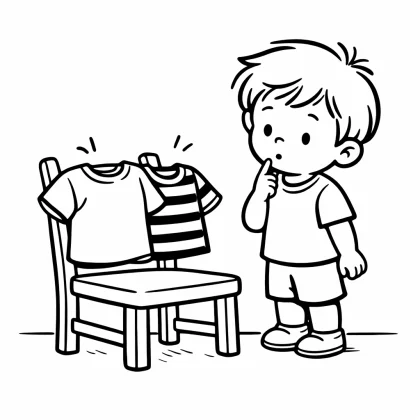
3. Guided Choice Box
Offer limited options:
“Today you can wear the red shirt or the blue one. Which do you choose?”
Deciding within a safe structure builds judgment without overwhelming the child.
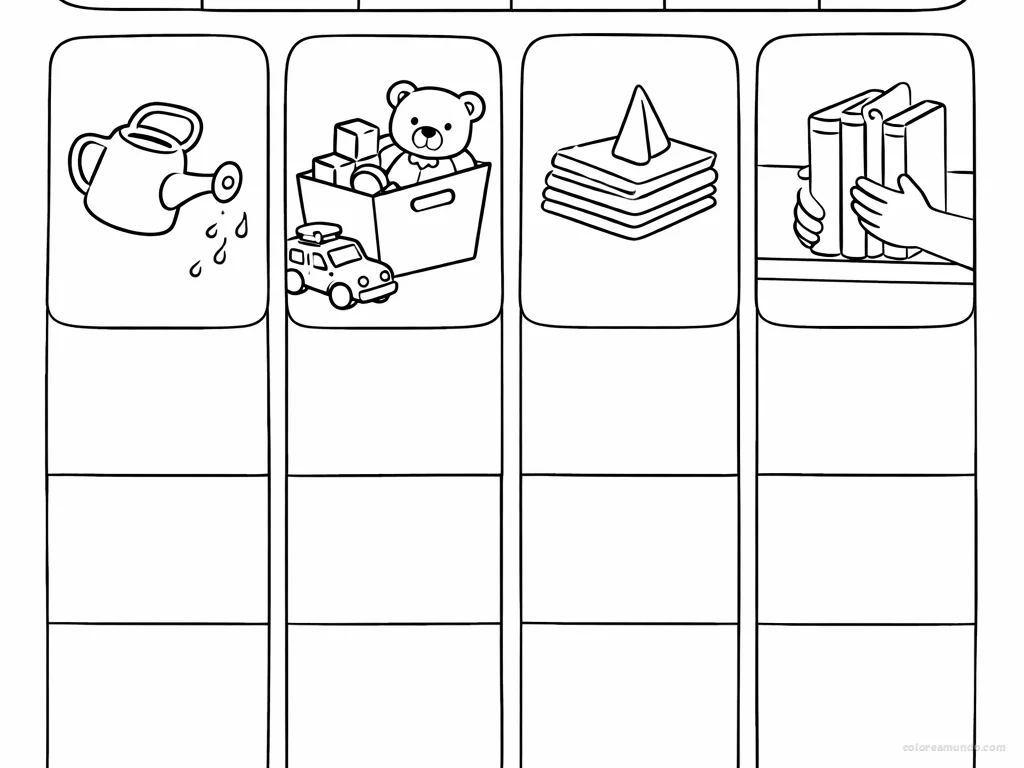
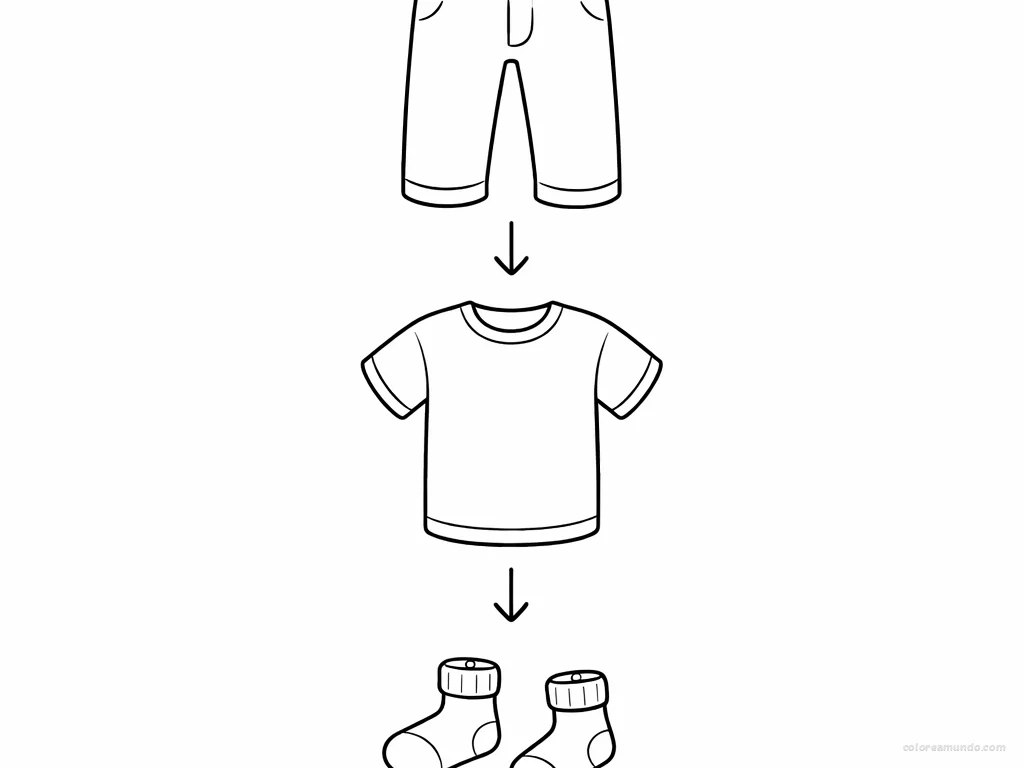
4. Visual Routine Without Screens
Instead of a tablet schedule, use:
- Printed picture sequences.
- Hand-drawn visual steps.
The child checks, anticipates, and executes.
Anticipation = independence.
Editorial Perspective
Independence is not imposed. It is facilitated.
When adults solve everything for children, they do not accelerate development. They replace it.
Patience is a pedagogical tool, not a luxury.
Common Challenges at Home
“It takes too long.”
If adults always intervene for the sake of speed, children learn dependence.
Realistic solution:
- Choose two moments of the day without rush.
- Practice independence during those times.
“They get frustrated.”
Moderate frustration is necessary.
If we avoid all difficulty, we avoid growth.
“They make a mess.”
Controlled mess is part of learning.
Instead of preventing it, teach how to clean up afterward.
Immediate Plan for This Week
Simple 5-day plan:
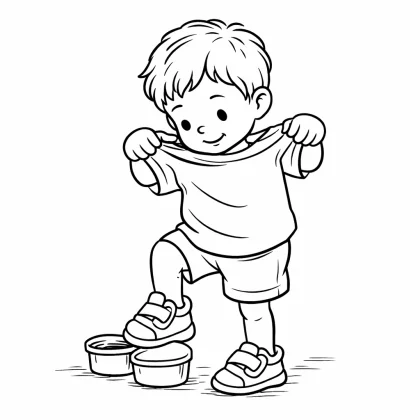
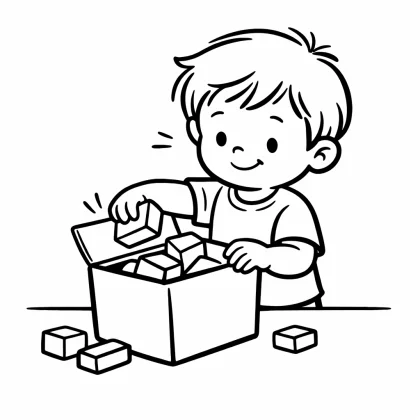
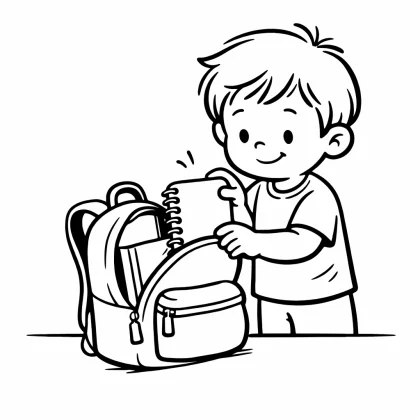
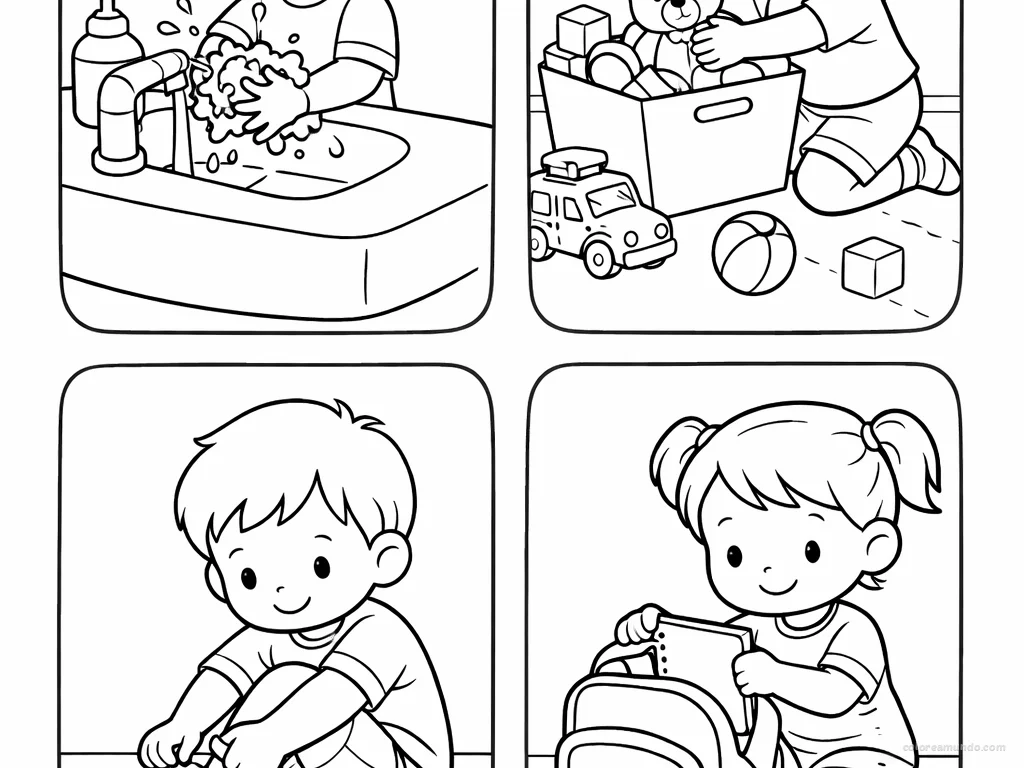
Day 1: Let them partially dress themselves. Day 2: Pour their own water with supervision. Day 3: Put toys away with a clear instruction. Day 4: Choose the bedtime book. Day 5: Prepare their backpack or materials for the next day.
Small repeated actions build a capable identity.
Age-Based Recommendations
Ages 3–5
- Short, concrete tasks.
- Close supervision.
- Descriptive verbal reinforcement: “You buttoned two buttons.”
Ages 6–8
- Weekly responsibilities.
- Small real errands.
- Participation in simple family decisions.
Ages 9–12
- Task planning.
- Time management.
- Solving everyday problems.
Independence evolves. It does not stagnate.
Real Questions from Parents and Teachers
What if they don’t want to do it?
Check whether the task matches their developmental level. Sometimes it is not lack of willingness, but too much difficulty.
Is it bad to help too much?
Helping is not bad. Constantly replacing their effort is.
Does independence affect self-esteem?
Directly. When children experience competence, they perceive themselves as capable.
Integration with ColoreaMundo Pathways
You can complement this guide with:
- Ages 3–5 pathway: practical life skills.
- Guides on social-emotional development.
- Printable resources for visual routines.
Child development is not isolated. It is integrated.
Editorial Closing
Independence is not taught through lectures.
It is built in the kitchen. In the classroom. In the moment when an adult takes a deep breath and waits 20 more seconds before stepping in.
This week, choose one concrete action. Small. Consistent.
And observe the change.
Continue in our ages 3–5 pathway and download the support materials to implement these strategies without screens.